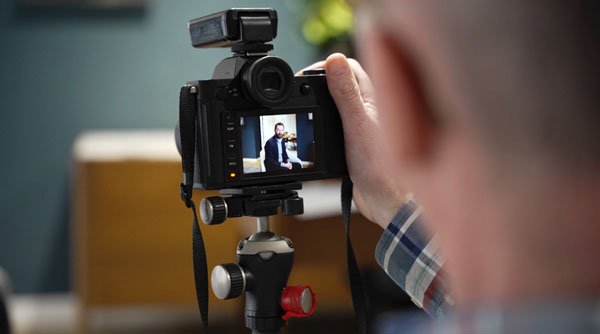
Everyone photographed is asked for feedback during the photo shoot to check they are happy with the results.
Why does the camera unsettle some people and not others?
It’s an interesting question and one I’ve much pondered over the years. It’s not about conventional beauty. People with irregular features can look strikingly good on camera and they are more than happy to be photographed.
But for a small number of people, even the traditionally very good looking, being professionally photographed is a torment to them, and despite our professional skills, preparation and people handling sometimes we can’t persuade them that they will actually look great in our photographs. This is to do with negative self-image, and sadly it’s becoming more common in the social media age.
Degrees of Camera Shy
There are different degrees of camera shyness. Naturally, many people can be a little awkward in front of a camera if they are not used to being photographed professionally.
But most of the people we photograph are more than capable of painting on a smile, standing up straight, looking confidently into a lens and presenting a decent version of their ‘professional self.’
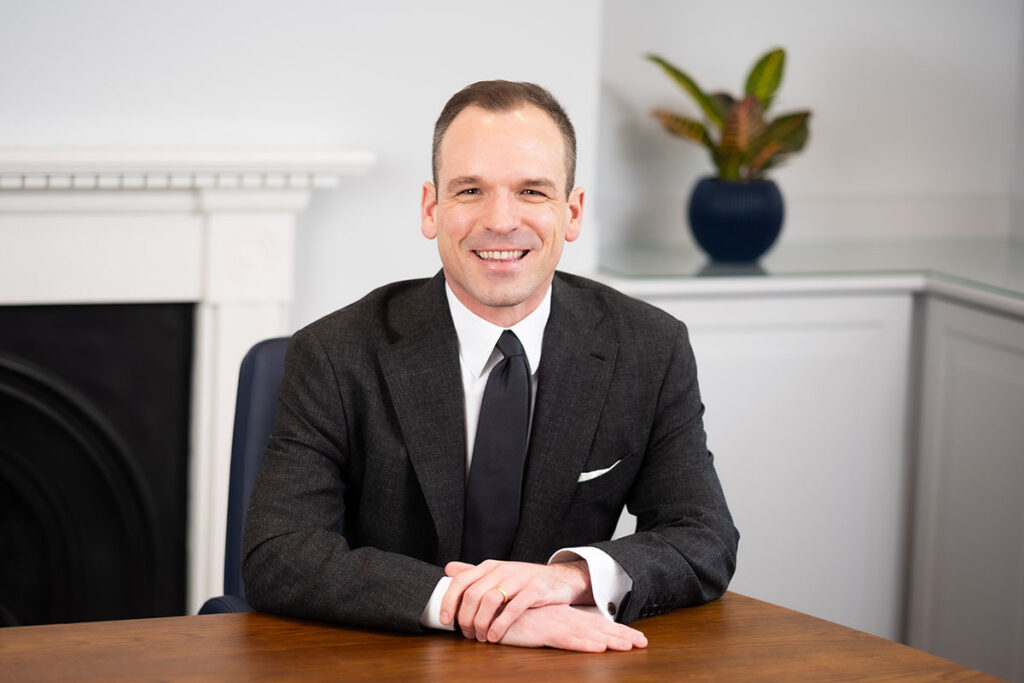
Everyone photographed is asked for feedback during the photo shoot to check they are happy with the results.
No Official Definition of Camera Phobia
Interestingly, there is no official definition of acute camera phobia. But if you break it down, it’s clearly a blend of social anxiety coupled with a type of acute self-consciousness that hates being under a spotlight.
Fortunately, there are fixes that allow all but the most extremely camera phobic to get through a photoshoot unscathed and, dare I say, even enjoy it.
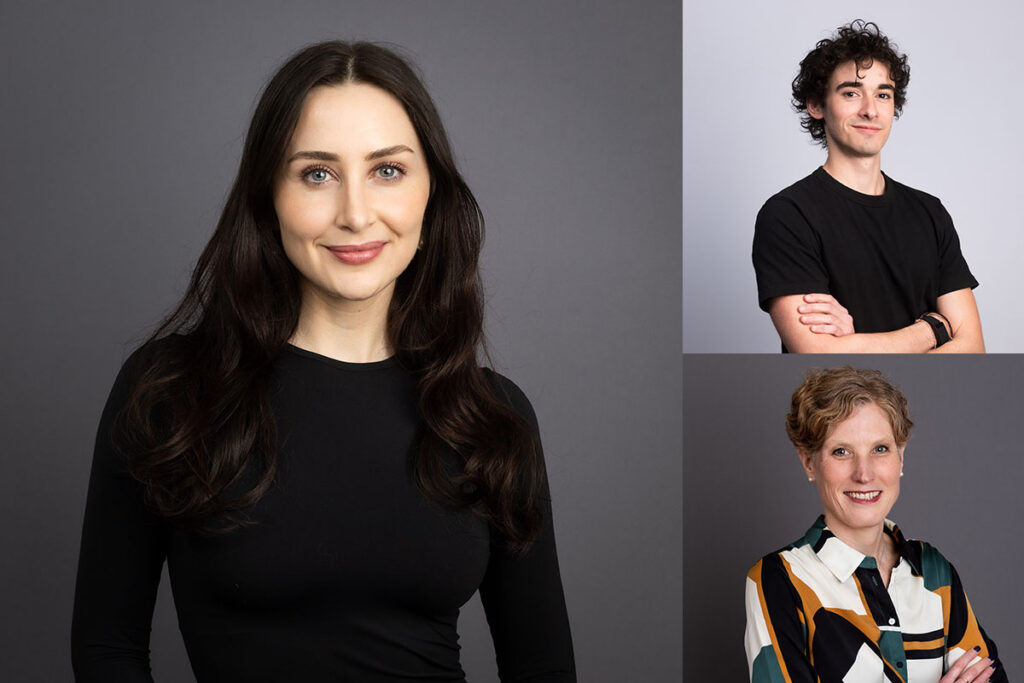
The last few photographs of each session are usually the ones subjects prefer most because they have fully relaxed.
Plenty of Things to Reduce It:
Mild Distraction
My first recommendation is trying to the relax the subject ahead of the shoot. I don’t just plunge straight in, but will have a chat as I get ready. I’ll talk about their journey, the weather, something in the news. It may be inconsequential small talk but it’s a welcome distraction to an anxious person and it gives me the chance to show them I am on their side and begin to win their trust.
Hair and Make Up
I also recommend subjects spend time before the shoot – roughly five to 10 minutes – with a make-up person who can sort out any blips in hair and make-up before the shoot. This again relaxes the person, making them feel more confident about their looks. For men, the make-up person will also adjust their hair if needs be and will deshine their face with a deshining wipe.
Body Posture
One of the biggest influences on presentation in front of a camera is body posture. For anyone who spends too much time behind a desk they often arrive at a photoshoot with slumped shoulders and a rounded back.
I can adjust their poor posture by getting them to imagine there is a piece of string pulling them up from the back of their head. This automatically gets backs to straighten and shoulders to drop.
Another postural fix is asking subjects not to stand directly facing the camera. It always looks a bit awkward and tends to make the subject look like they’ve just been arrested. I ask them to turn their body a little away from the camera but turning their head back towards the lens, delivering a more relaxed and confident pose.
For women, I will take shots where they place all their weight on the leg furthest from the camera and to bend their front leg a little. It’s actually easier to do than describe but this pose allows them tip their hips down towards the lens which is more flattering. For men, I suggest they try putting a hand in the suit pocket furthest from the camera because this produces a more confident body language.
Folded arms are often considered defensive but it can be a useful means to get a subject to drop their shoulders because the weight of arms folded pulls tense shoulders down an inch or two.
Facial Expressions
Facial expressions should not be too serious, as this implies the subject is nervous about something. But nor should they be laughing too much and implies the person is the office clown. A comfortable genuine smile is best.
Sympathetic Lighting
Lighting of course plays a major role in delivering professional photographic images. It needs to be soft but directional. We don’t want to spotlight every pore on a face with a hard light but lighting that is too soft light from all directions produces images that look too flat and lack character.
With all the above in place, a headshot can be a pleasant, fun experience and achieve portraits that even the most camera shy can be happy to put on LinkedIn or see on their firm’s website and marketing materials.
- About the Author
- Latest Posts

Professional corporate photographer, providing company headshot photography and video for businesses in London, the rest of the UK and Europe. Piranha are commissioned by FTSE100 companies and start-ups alike, for numerous projects, covering a wide range of work and styles. Portraits and office photography for use on websites, events coverage and PR shots for press and publications, as well as Board and location photography for annual reports. Using top of the range Leica cameras and lenses. We process the images promptly and to an extremely high standard.